While browsing a bookstore in Harlem, I came across a book that captured my attention, W.E.B. Du Bois's Data Portraits: Visualizing Black America. The data presentation is fascinating because it captures a glimpse of Black life at a moment in time. The colors, photography, and composition distill complex information about the livelihood of Black Americans in a way that had never been done. Interestingly, this raises a greater question around visibility. Who gets to document, what gets represented, and what stories are considered worthy of preservation. Du Bois understood that data was not just an exercise to capture information but a channel into visibility.
The book drew my curiosity in part by the lack of visibility in my field of architecture. We rarely see the work of people of the Diaspora, whether it's in the Americas, Europe, Africa, or the Caribbean. If you want to learn about the diverse architectural systems of African countries, that is a rarer find. The information is scarce and what does exist is rarely documented, reviewed, and presented by those who create, inhabit, and interact with these spaces.
I am reminded of Du Bois’s theory of double consciousness, whereby we come to see ourselves through the lens of others. Extending to the spatial, when a culture's built environment is primarily interpreted, consumed, and shared through external eyes, we come to understand our own spatial inheritance at a distance. It is the consistency and repetition of that mediated gaze that produces tropes, idealization, and exoticization: a fixed identity imposed through accumulation rather than encounter.
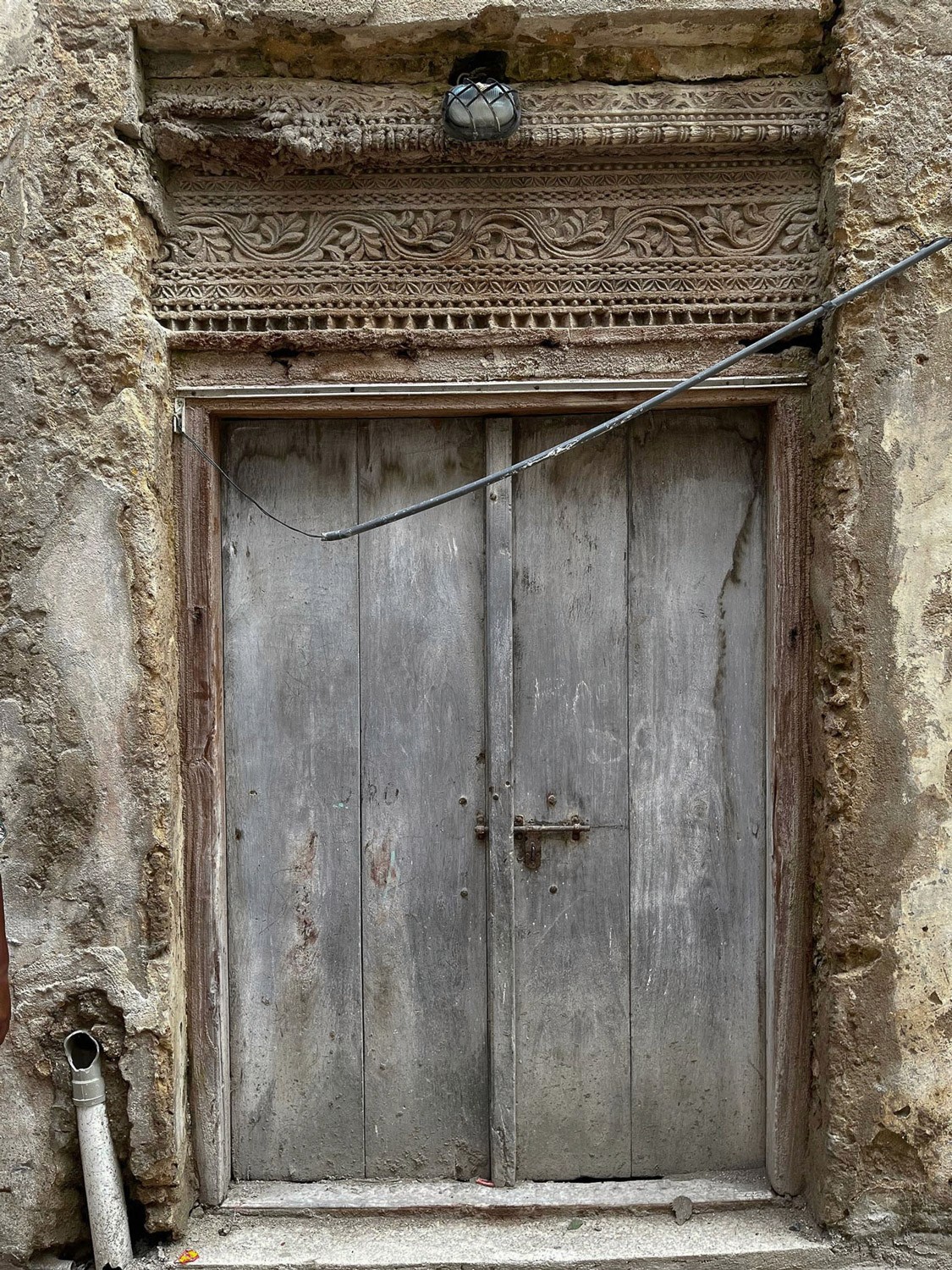
The data portraits were originally created for Du Bois’s Exposition des Nègres d'Amérique in Paris in 1900, giving voice to Black life abroad, yet the absence they addressed over 100 years ago still remains. In some ways the Exposition draws to mind The Laboratory of the Future, curated by Lesley Lokko, the architect, educator, novelist, and Founder and Director of the African Futures Institute. Where Du Bois created visibility through data, Lokko makes African and diasporic thought visible through architecture. Karibu Nyumbani explores African coastal places through editorial storytelling. Nyumbani Journal, its flagship publication, is an encounter with place. Different mediums, each contributing to the cultural record of the human experience.